IIT Seminar Series: Christopher J. Borgert
Tue, November 10, 2026
11:00 AM
- Tue, November 10, 2026
1:00 PM
at 162 Food Safety & Toxicology Building
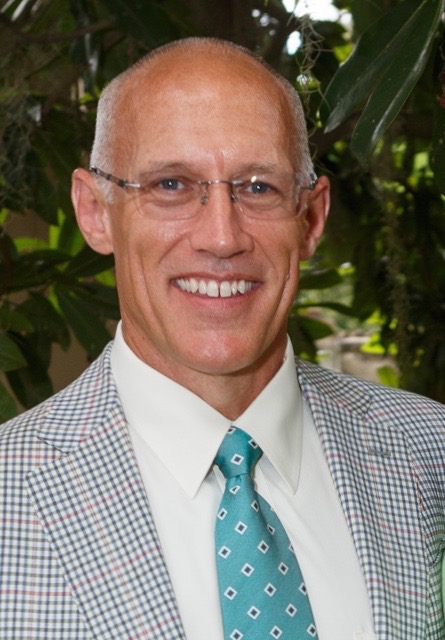 *The Institute for Integrative Toxicology presents Dr. Christopher J. Borgert, Applied Pharmacology & Toxicology, Inc., to speak on, “Distortion, Deception and Delay: An Author’s Exposé on Corruption in Scientific Publishing,” on Tuesday, November 10, 2026, at 11:00 a.m. in 162 Food Safety and Toxicology Building.
*Fulfills seminar requirements for the Environmental and Integrative Toxicological Sciences Graduate Programs. Seminars that fulfill this requirement are archived at: https://iit.msu.edu/training/eits/recent-seminar-list.html.
Talk Abstract:
Scientific communication began with personal correspondence and self-published treatises. The emergence of journals in 1665 transformed the enterprise into what is now a $13–28 billion global market. Over the past 25 years this commercial expansion has drawn intensifying criticism: profit motives, “publish-or-perish” pressures, and metric obsession increasingly conflict with the core values of quality, integrity, transparency, and equitable access. The result is declining standards, a reproducibility crisis, and eroding public trust. Corporate intrusion, potentially amplified by the global litigation industry, now threatens the self-corrective mechanisms of science itself.
In early 2026, sixty authors submitted an editorial to Regulatory Toxicology and Pharmacology (Elsevier) documenting editorial mismanagement in the retraction of a 25-year-old paper. The retraction rested on speculative claims about “ghost-authorship” versus acknowledgements and invalid claims of overlooked data, without a single allegation of scientific error. The authors called for reversal of this unjustified retraction. The handling editor, also responsible for the retraction, imposed unacceptable barriers, prompting the authors to withdraw their submission. Archives of Toxicology (Springer Nature) promptly invited the piece as a Guest Editorial.
Yet, the second commercial publisher then violated its own editorial policies to delay and diminish the impact of this critical perspective on publishing ethics by, at that point, 66 leading scientists and toxicologists, many of whom are editors and past editors of prominent journals. After full acceptance and execution of the publishing agreement, the publisher imposed extraordinary post-acceptance requirements for external review and disclosure, reversed decisions of the journal’s scientific editors, breached reviewer confidentiality, refused to finalize publication criteria, and ultimately blocked the article on internal commercial grounds. These events are documented in a companion editorial by the Editor-in-Chief, still in process at Archives of Toxicology.
Independent journals exist and can serve as essential safeguards protecting the self-corrective mechanisms of science and scientific publishing. The 66-author editorial was ultimately published free of charge in EXCLI Journal (Borgert et al., 2026), an independent ‘premier open access’ journal with an impact factor of 6.2. The current commercial model of scientific publishing may be too compromised for incremental reform. New structures are required—structures aligned with the priorities recently articulated by NIH Director Jay Bhattacharya: rigorous falsification, replication, and recognition that the incentives of publishing and grantsmanship often impede genuine discovery.
Speaker Bio:
Christopher J. Borgert, Ph.D. is President of APPLIED PHARMACOLOGY AND TOXICOLOGY, INC. (APT), a consulting firm that specializes in applied research in the areas of mechanistic pharmacology and toxicology, safety assessment, and study design. He received an Artium Baccalaurei from Kenyon College, Gambier, Ohio, a doctorate in Pharmacology and Therapeutics from the University of Florida College of Medicine and completed a postdoctoral fellowship in toxicology at the University of Florida Center for Environmental and Human Toxicology. He served on the U.S.EPA Endocrine Disruptor Screening and Testing Advisory Committee (EDSTAC) as the general representative for Small Business stakeholders, testified before Congress regarding the Endocrine Disruptor Screening Program, and served on numerous national and international expert and peer-review panels such as the Society of Toxicology Expert Panel on Chemical Mixtures and the OECD Peer-Review Panel for Validation of the Uterotrophic Assay. His publications address methods for evaluating chemical mixtures and cumulative risk assessments for human exposure to drugs, dietary supplements and chemicals; Weight of Evidence approaches and mechanistic methods for evaluating Endocrine Disruptors and carcinogens; use of kinetics in dose-setting and interpretation of toxicology studies; and development of the Human-Relevant Potency Threshold concept for the screening of potential endocrine disruptors, demonstration of its physiological and biochemical basis, and its application to chemicals under regulatory review. Within these areas as well as generally, he has also published and presented widely on scientific integrity, information quality, and publishing ethics.

